
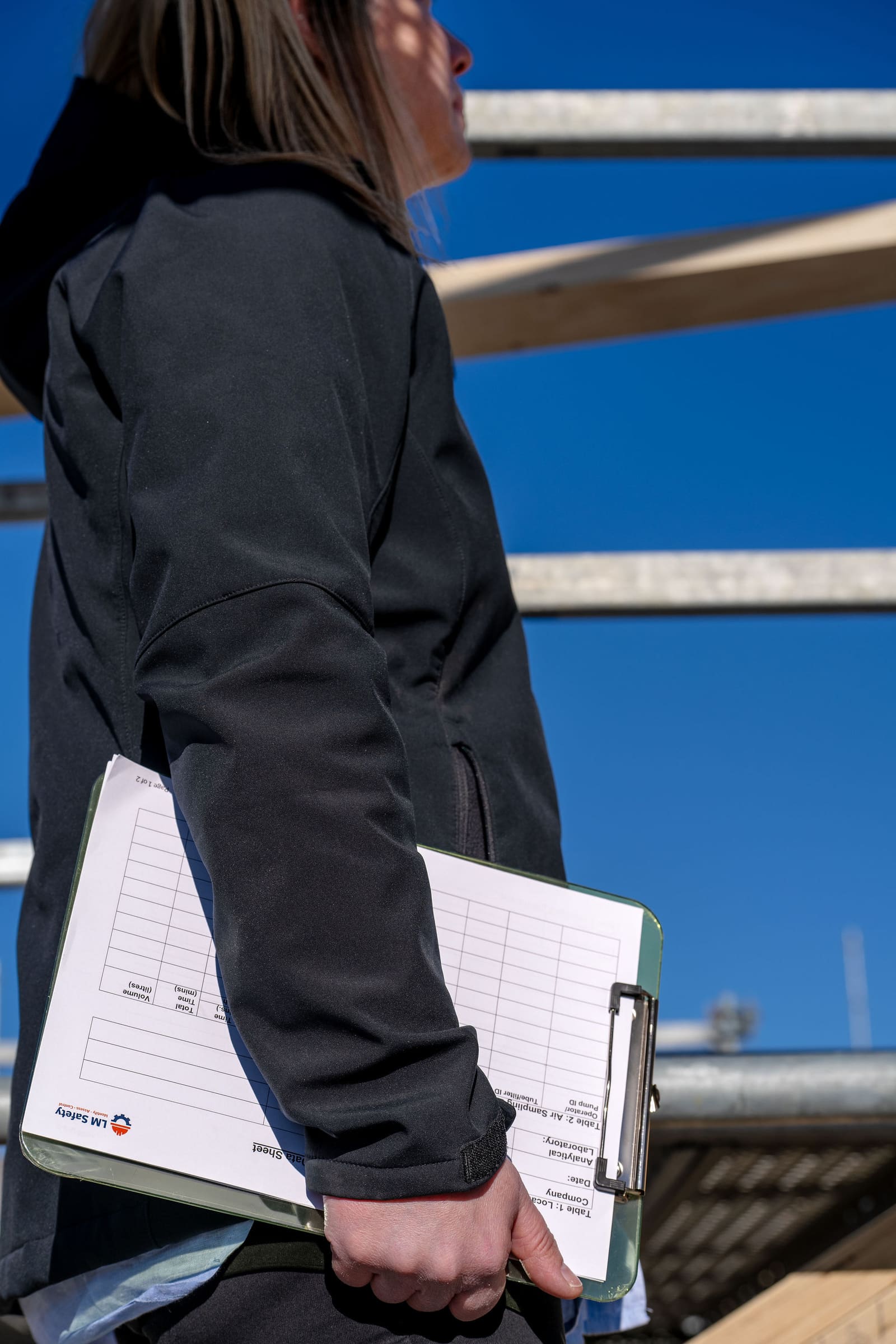
Almost every organisation does site inspections. Far fewer get anything out of them, because the output is a completed checklist filed somewhere, and a completed checklist is evidence that a form was filled in.
The difference between an inspection record that helps you and one that does not comes down to a handful of things, none of which are the checklist.
All-clear inspections are a warning sign
If your inspections come back clean most of the time, the usual explanation is not that the site is in excellent order. It is that the questions are answerable without looking, or that raising a finding creates work for the person raising it.
A run of perfect scores followed by an incident is a pattern that reads very badly afterwards, because it suggests the inspection was not capable of detecting the thing that went wrong.
A finding without an action is a liability
The single most damaging thing in an inspection history is a finding that was recorded, never actioned, and still sitting open when something related happened. You have documented that you knew.
This is worth being blunt about: if you are not going to close findings, you are better off not writing them down — and if that sentence is uncomfortable, the right response is to close findings, not to stop recording them.
What a record needs
Who did it, when, and which site or area — specifically enough to tell two similar areas apart
What was actually observed, not only whether it passed
Photographs where a description would be arguable
Findings with an owner and a due date, not a general note
Evidence that each finding was closed, rather than a status change
A history you can read across inspections, so a recurring issue is visible as recurring
Why the pattern matters more than the inspection
A single inspection tells you about one morning. The value is in the series: the same guard reported loose three times in four months, the same area failing whenever a particular crew works there, the finding that gets closed and reopens.
Paper cannot show you this, and neither can a folder of PDFs. It is the main practical argument for doing inspections in something that holds them together — how inspections work in HazNode is built around the series rather than the individual form.
On checklists written for someone else’s industry
A good share of inspection templates in circulation were written for construction, because that is where most of the tooling came from. If you are in horticulture, forestry, transport or hospitality, a renamed builder’s pre-start will produce exactly the all-clear problem above — people tick through questions that do not describe their work.
Templates are worth writing once, properly, with whoever actually does the inspection. It is dull work and it is the difference between a form that detects things and a form that gets completed.
Frequently asked questions
How often should site inspections be done?
HSWA does not set a frequency — it depends on the risk, how fast conditions change, and what your own risk assessment concluded. A high-churn construction site and a static office do not need the same interval. What matters is that the interval is deliberate and that you keep to it.
What should a site inspection record include?
Who inspected, when, and exactly which area; what was observed rather than only a pass or fail; photographs where a description could be disputed; findings with an owner and due date; and evidence that each finding was actually closed.
Is it a problem if inspections never find anything?
Usually yes. Consistently clean inspections more often mean the questions can be answered without looking, or that raising a finding creates work for the inspector, than that the site is faultless.
What happens if a finding is never closed out?
It becomes a record that you identified a problem and did not act on it. An open finding related to a later incident is considerably worse than no finding at all, which is why closing findings matters more than recording them.