HazNode
HomePartnersAbout
Log In

HazNode® Safety · Agriculture

The highest-harm sector in the country, and the least paperwork time.

Agriculture accounts for around a quarter of New Zealand’s acute work-related fatalities and serious injuries on about six percent of employment, and most of that harm sits in dairy, sheep and beef. Nobody on a farm has an afternoon for compliance software, which is exactly the problem this is built around.

Explore the platform

What it does

Short enough to actually get done

A farm safety system either fits into the gaps in a working day or it does not get used. That is the whole design constraint.

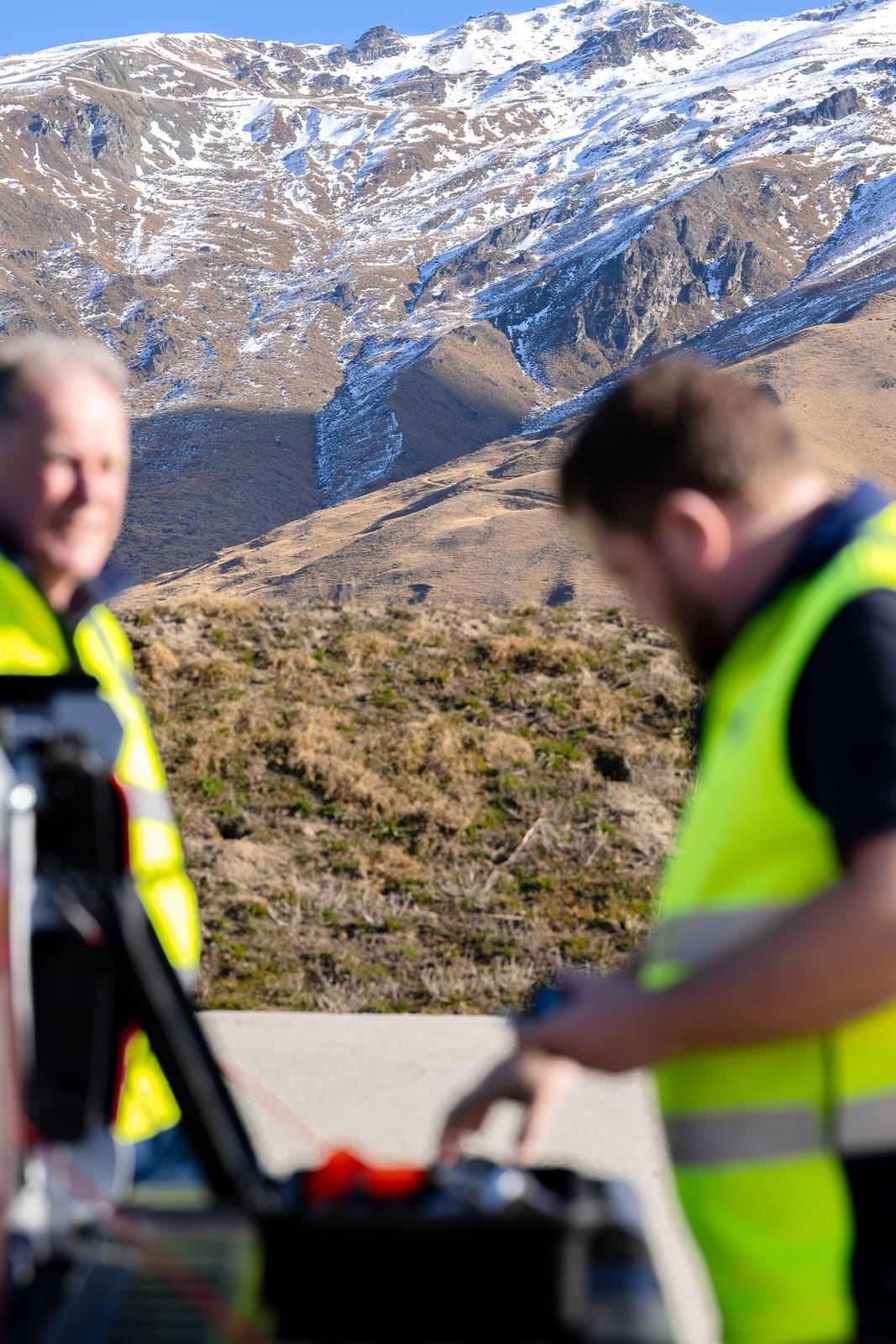
Team member making notes outdoors during a site walk

Hazards captured in under a minute

Offline, because coverage is patchy

A photo, a tap, a sentence if there is time. Observation capture works with no signal and syncs when the phone is back in range, so a hazard noticed at the back of the farm still reaches the record.

What you get

  • Under a minute from open to submitted

  • Full offline capture with automatic sync

  • Photo and location on the report

  • One record across every block and shed
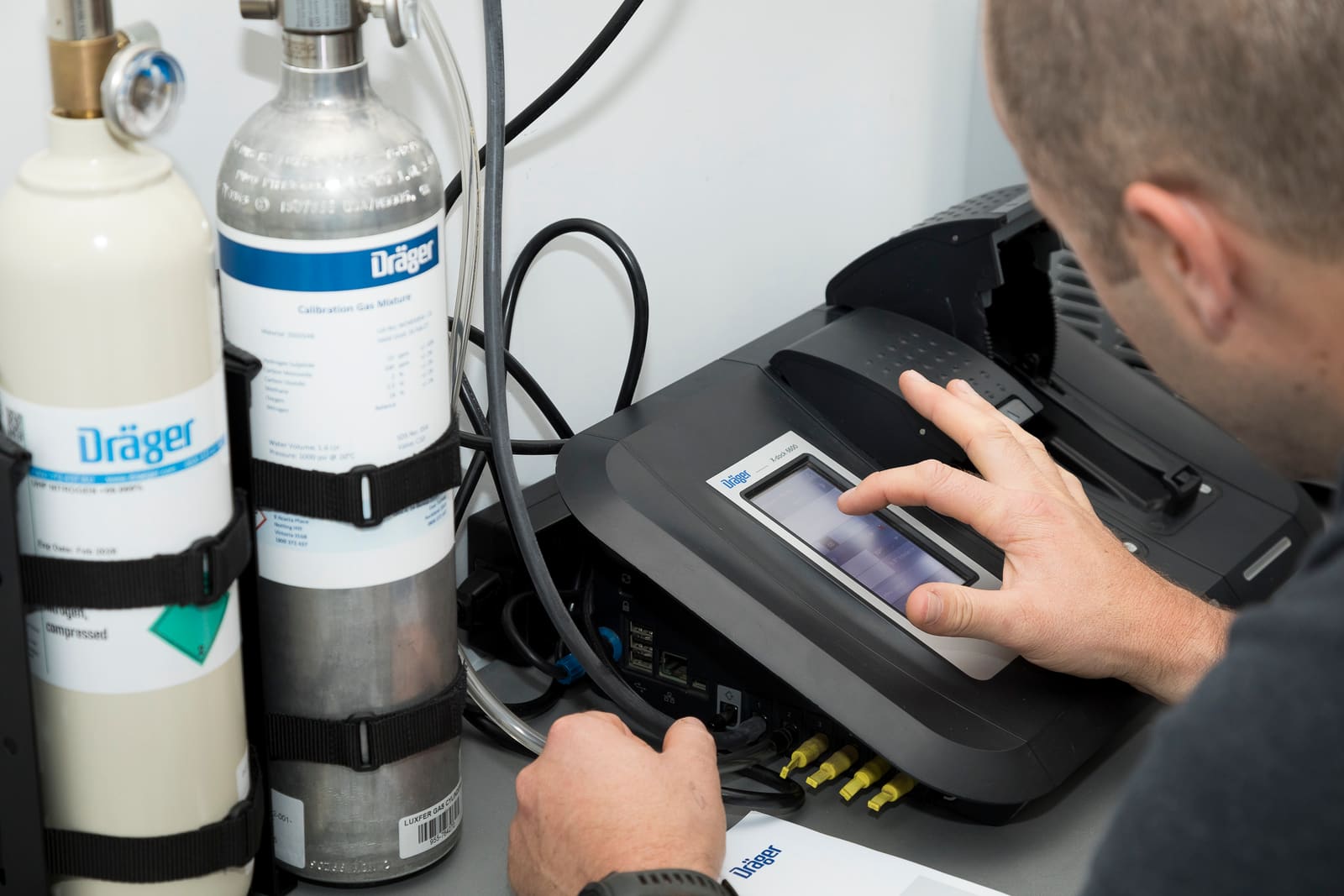
Gas cylinders and detection equipment at an industrial storage station

A substance register you do not type

Agrichemicals, fuels, dairy chemicals

Between the spray shed, the dairy and the fuel store, a farm holds more hazardous substances than most factories. Upload the safety data sheet and HazNode® reads the classification and handling detail off it, which is the difference between a register that exists and one that is always about to be started.

What you get

  • Details extracted from the uploaded SDS

  • Held by shed, store and location

  • Quantities recorded against thresholds

  • HSNO classification carried on the record

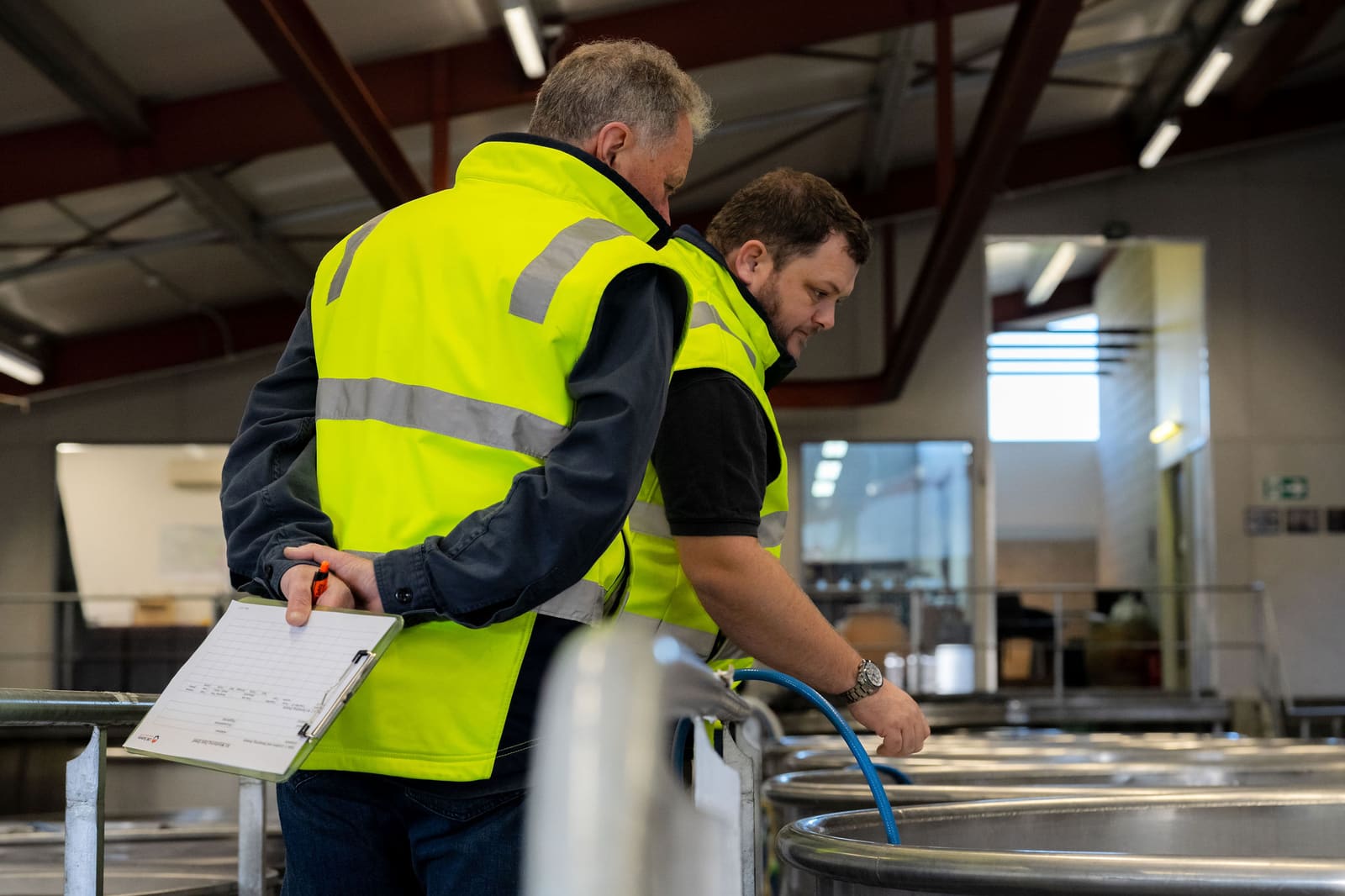
Two workers preparing equipment at a vehicle

Inspections that suit a farm

Yards, sheds, plant, vehicles

Describe what needs checking — the dairy, the quad, the effluent system, the woolshed — and HazNode® drafts the checklist. Records sit against the asset, so the history of a particular machine is in one place.

What you get

  • AI-drafted checklists per shed or machine

  • Records held against the asset

  • Photos attached to the finding

  • History retrievable years later

Sound Familiar?

Sound familiar?

"

The safety folder is a ring binder in the office that nobody opens.

"

Near misses are mentioned at smoko and never written down.

"

The chemical register is a handwritten list of what was in the shed years ago.

"

Safety data sheets are wherever the last delivery left them.

"

Half the farm has no signal, so anything app-based has failed before.

"

Seasonal staff arrive and nobody can show what they were told.

What changes

A record that survives a working week

The measure of a farm safety system is not how complete it looks in January. It is whether anything is in it by August.

Works where the farm has no signal

Observations capture offline and sync later, so a report is never lost to a dead spot.

A chemical register that gets finished

Extraction from the safety data sheet removes the transcription that stops most farm registers from ever being completed.

Something to show when it matters

After an incident, the record is what you actually did rather than what you meant to write down.

One price for the farm business

By worker count, not per login, so putting the whole team in it does not change the bill.

See it with your own spray shed

Send us a safety data sheet from the shed and we will show you what HazNode® pulls off it, so you can judge how much typing actually disappears.

haznode logo

© 2026 HazNode Software Limited. All rights reserved.